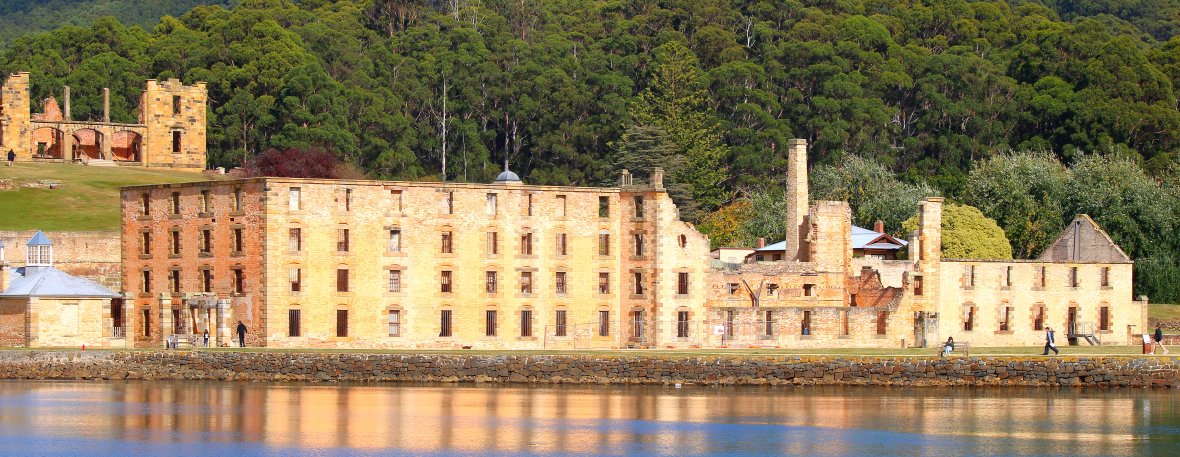
Another squeeze through Hobart’s CBD and we were on our way to perhaps the last of the big tourist destinations on our list – Port Arthur, the most famous and infamous penal settlement in Australia. Famous for so much preservation of an early period of Australian history, infamous for the 1996 massacre of 35 visitors in and around the Broad Arrow Cafe.
That afternoon we set up at a little ‘almost’ free site out the back of the Nubeena Bowling Club for three nights. We knew that Port Arthur would be a whole day and there was plenty to see on the Tasman Peninsula. Once again, the weather gods looked down favourably on us and we were through the gates just after opening.


Unlike Sarah Island, established for the worst of the worst, Port Arthur was established just for the worst. But it was a lot more than a jail. An entire settlement grew up around it. A prisoner population of up to 600 at any one time required a lot of services and organisation.
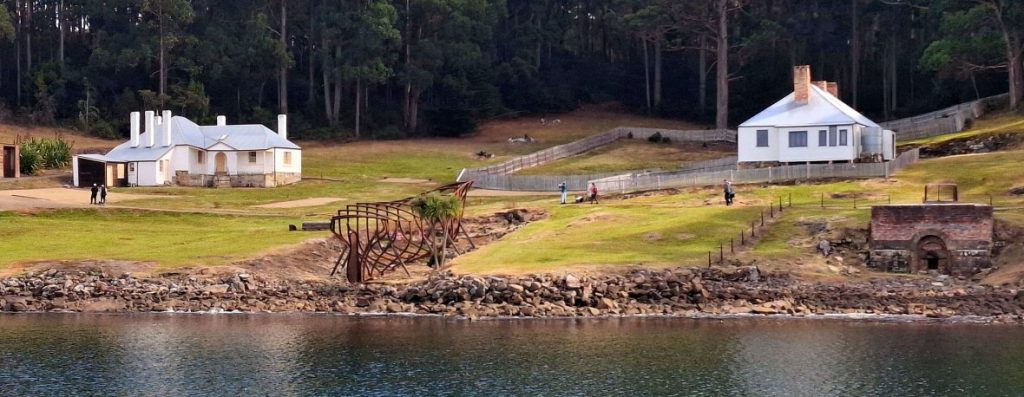
We had allowed ourselves 4-5 hours and we made use of all of it. They have done an excellent job of providing heaps of on-site information for every building, and the restoration and remedial work is remarkable, and ongoing. We paused after an hour to take advantage of the ‘included in the admission price’ boat cruise. It only lasted 40 minutes, but to see the entire settlement from a distance was special.


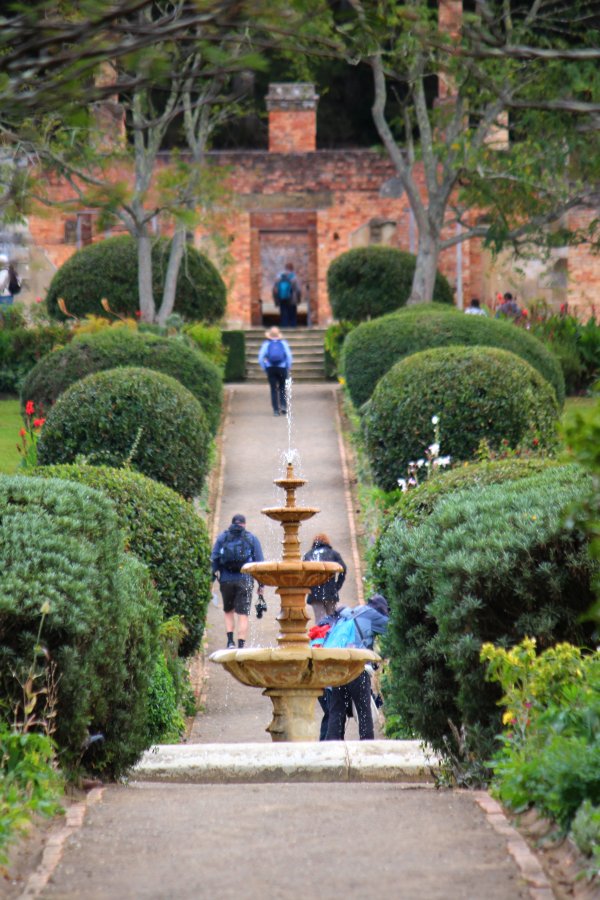
Over time, a sanatorium was built to house old and psychiatric prisoners. They were put to simple, repetitive work in the grounds of the settlement, including the gardens built exclusively to remind the soldiers, their wives and children of life back in England.
The focus at Port Arthur is as much on the convicts as the settlement itself. Meticulous records allowed for the reconstruction of individual prisoners, their histories and even their faces. The visitor centre is also highly recommended (including the coffee), providing more information and static displays.
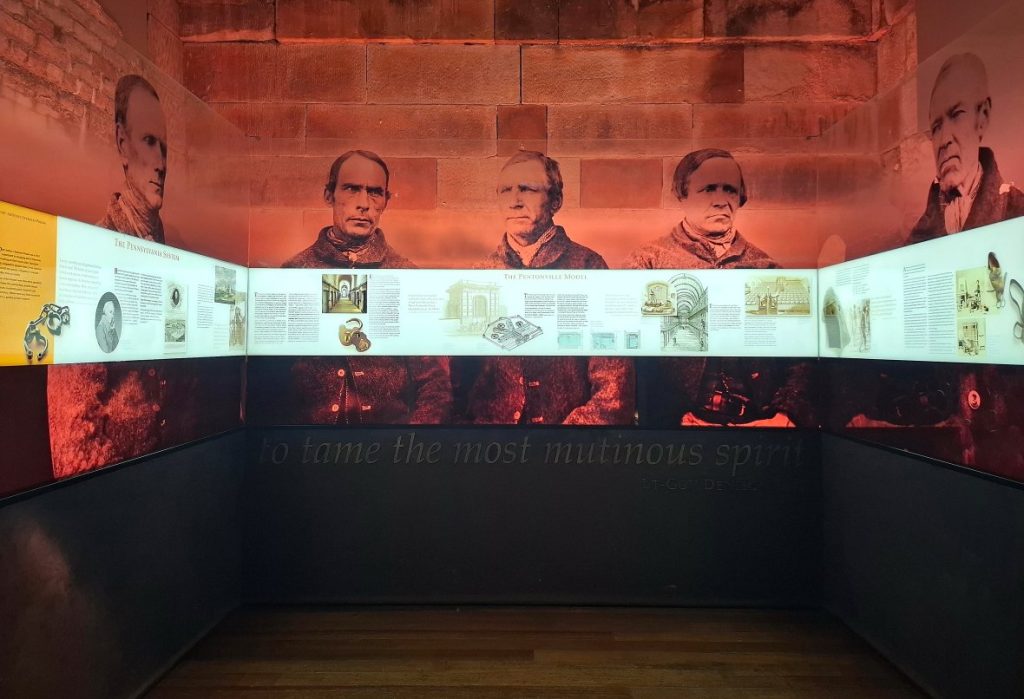
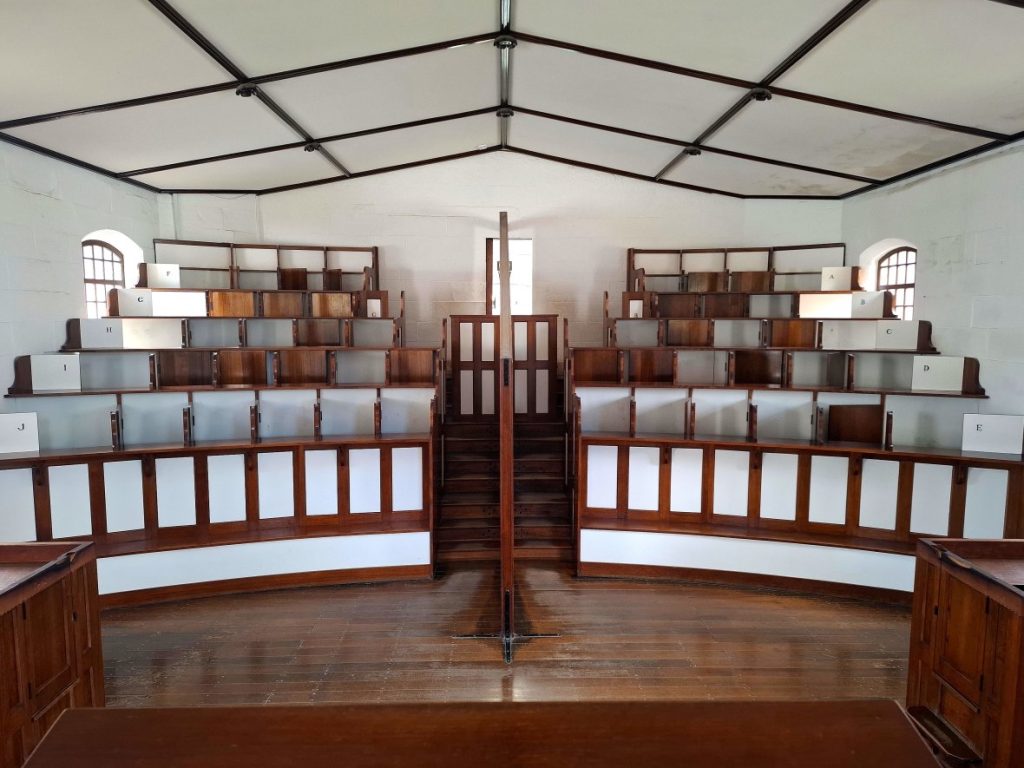
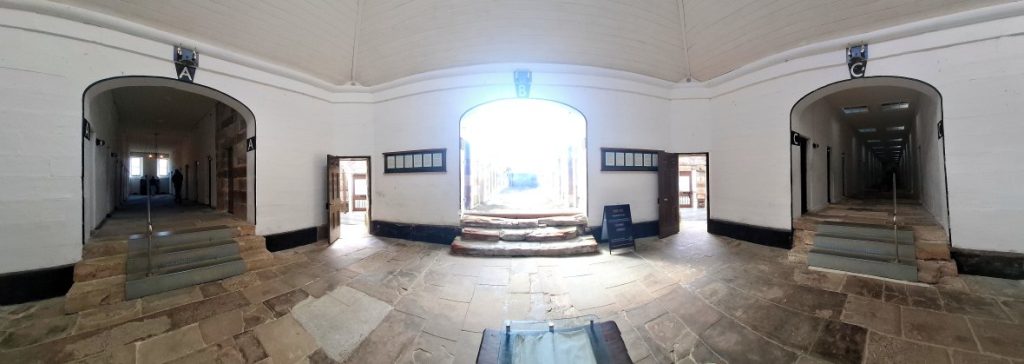
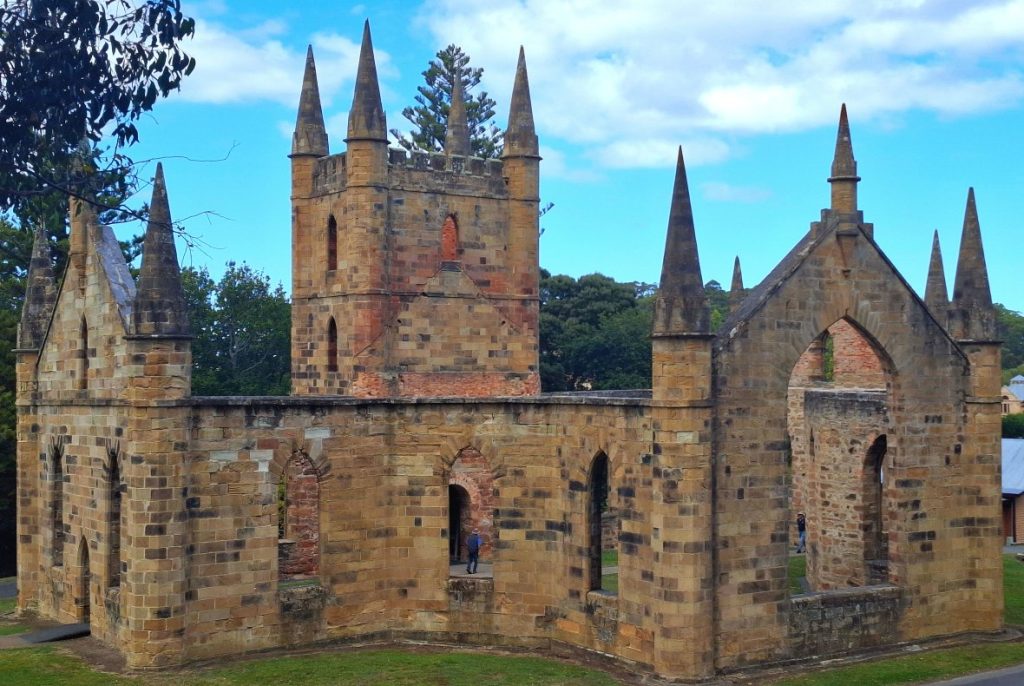
By the time we reached the church on the hill, we were walked out, but the church is so grand and imposing, considering how remote Port Arthur was from mainstream society. Devastating bushfires in 1895 and 1897 gutted many buildings and destroyed roofs. Some survived and stand in contrast to the stark ruins. For a comprehensive history go to, https://portarthur.org.au/history/history-timeline/.
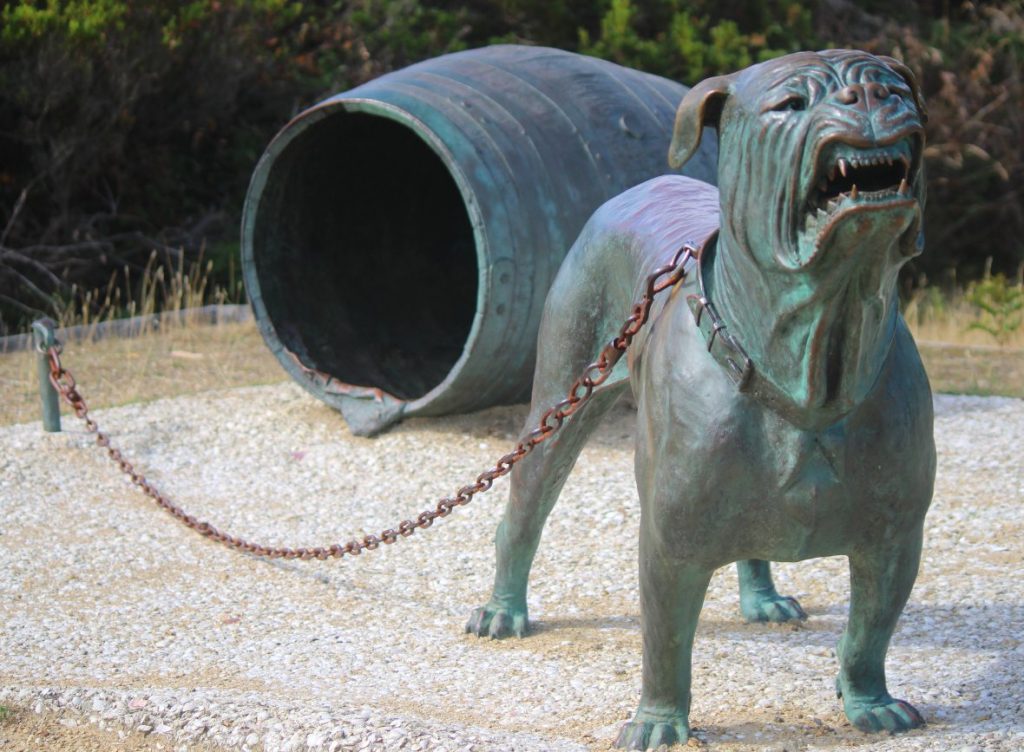
This is not the only attraction on the Tasman Peninsula. The next day we went exploring and discovered a few surprises. Port Arthur’s reach extended well beyond the settlement. Unlike Sarah Island, escape from Port Arthur was eminently possible but required negotiating a very narrow strip of land called Eaglehawk Neck. To guard against this, dogs and guards were strung out across Eaglehawk Neck. In reality, their bark was definitely worse than there bite, but sufficient to alert soldiers to any attempted escape.
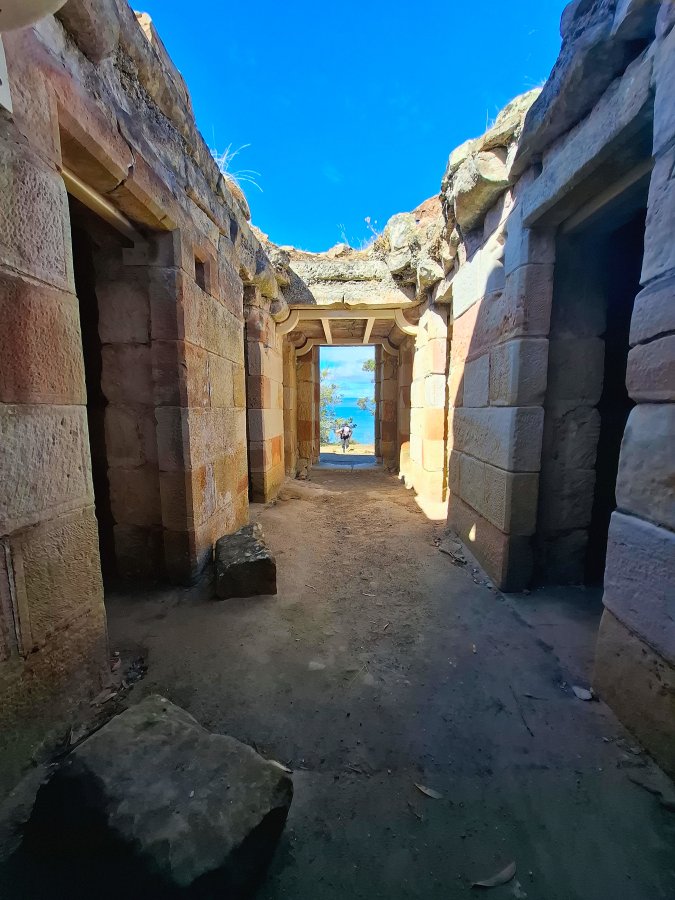
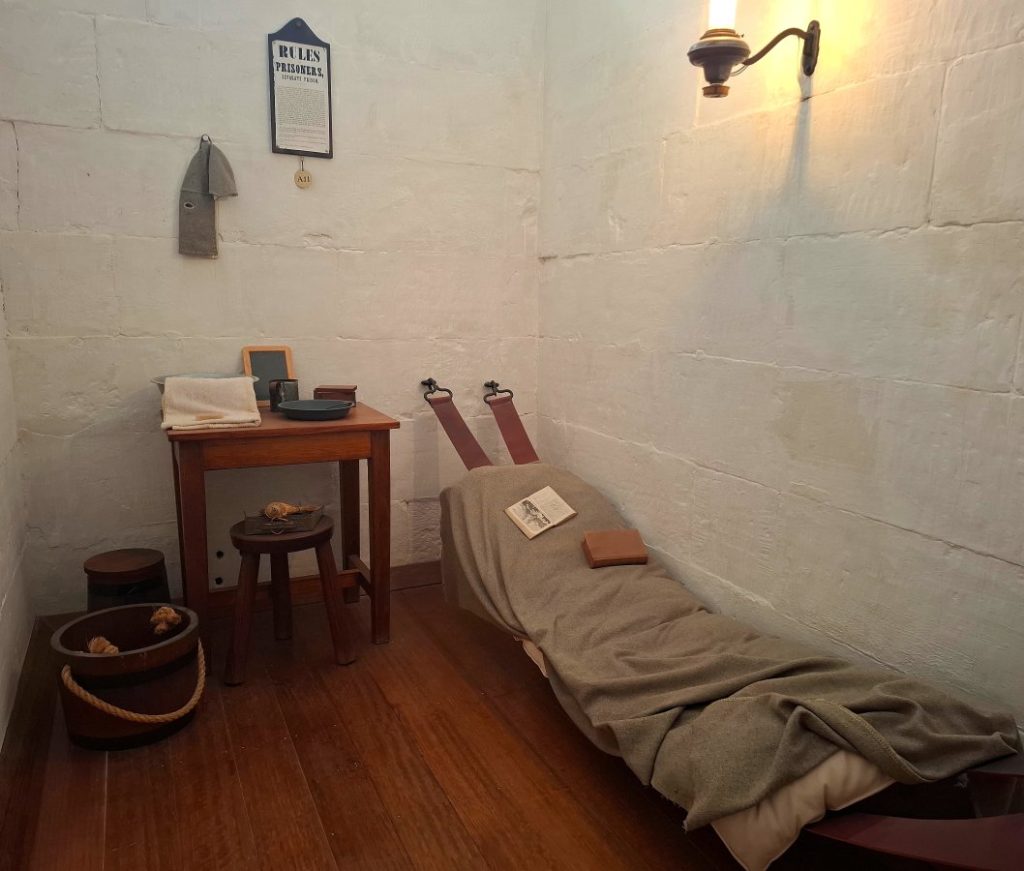
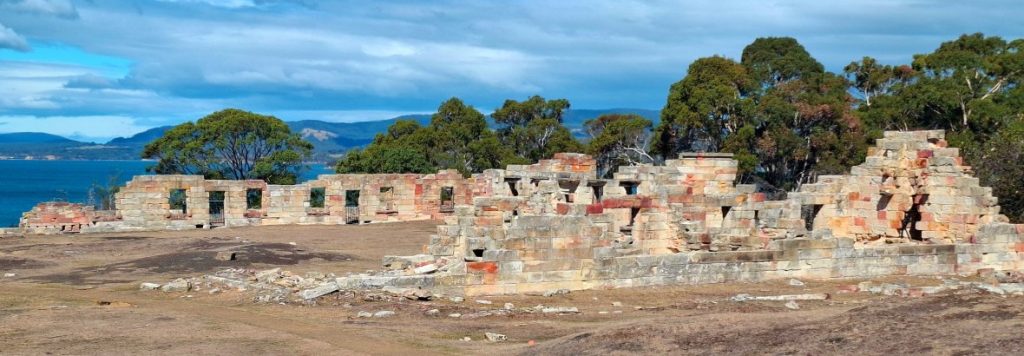
On the other side of the peninsula, remnants of a convict coal mine at Plunkett Point invited a quick look. The discovery of coal in 1833 saved the early colony a lot of money. Not only did they not have to pay for the coal and the transport costs from NSW, but convicts dug it up for ‘free’. Conditions were pretty dire. Even more isolated than Port Arthur, life was hard, and looking at the cells they were housed in, sleep was the only thing on offer after work.
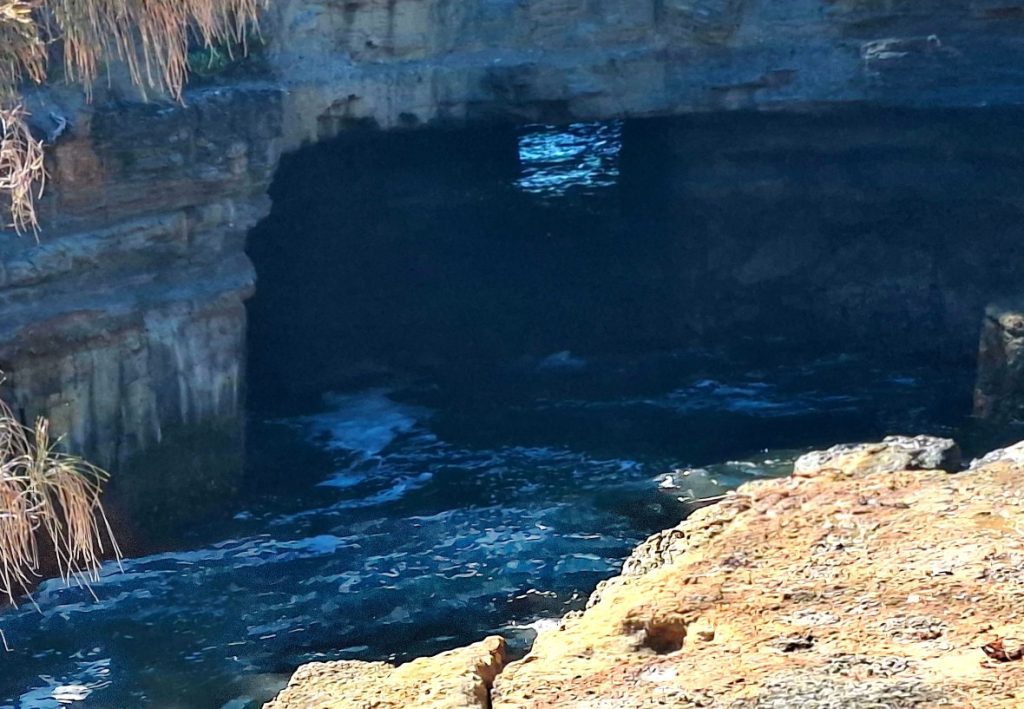
But there’s more to the Tasman Peninsula than a convict past. It also has natural wonders, hidden away in and around Pirates Bay, only 5 minutes east of Eaglehawk Neck. The Devil’s Kitchen, Tasman’s Arch and The Blowhole are all within 5 minutes walk of a parking spot.
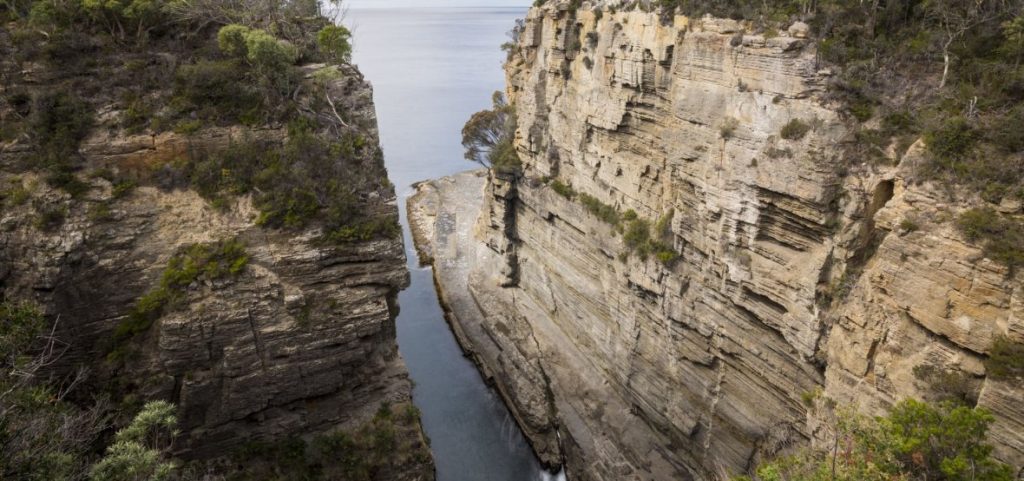
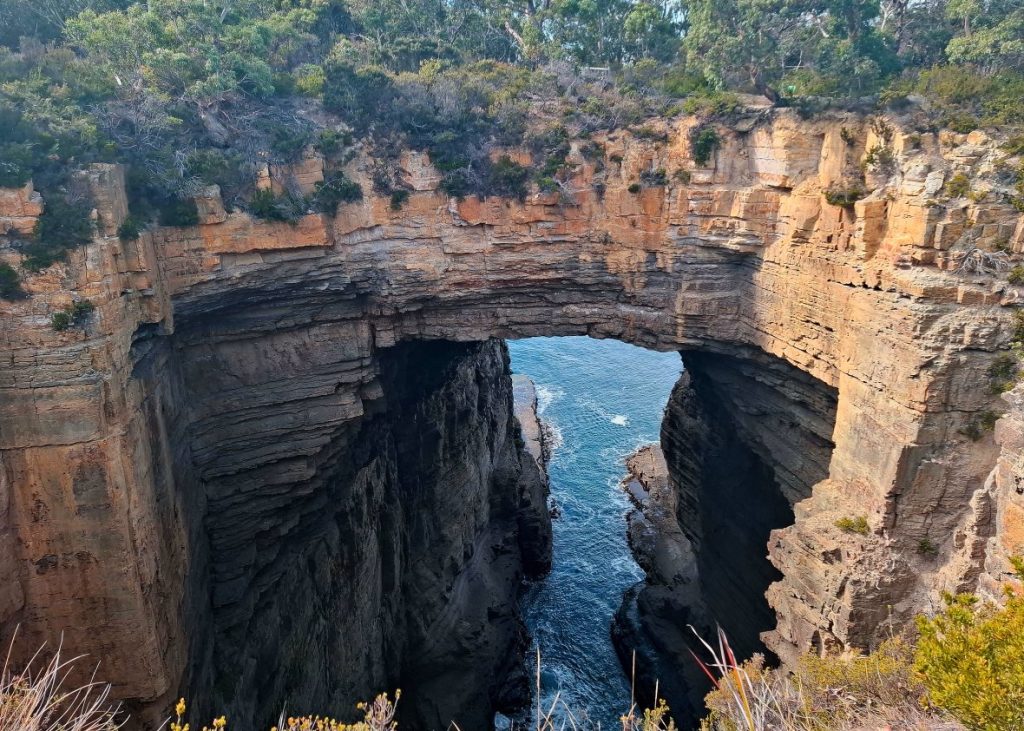
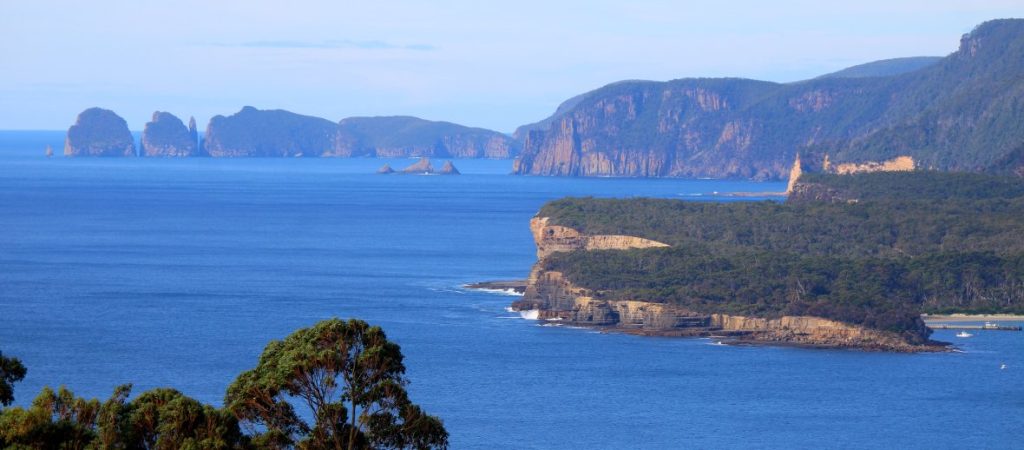
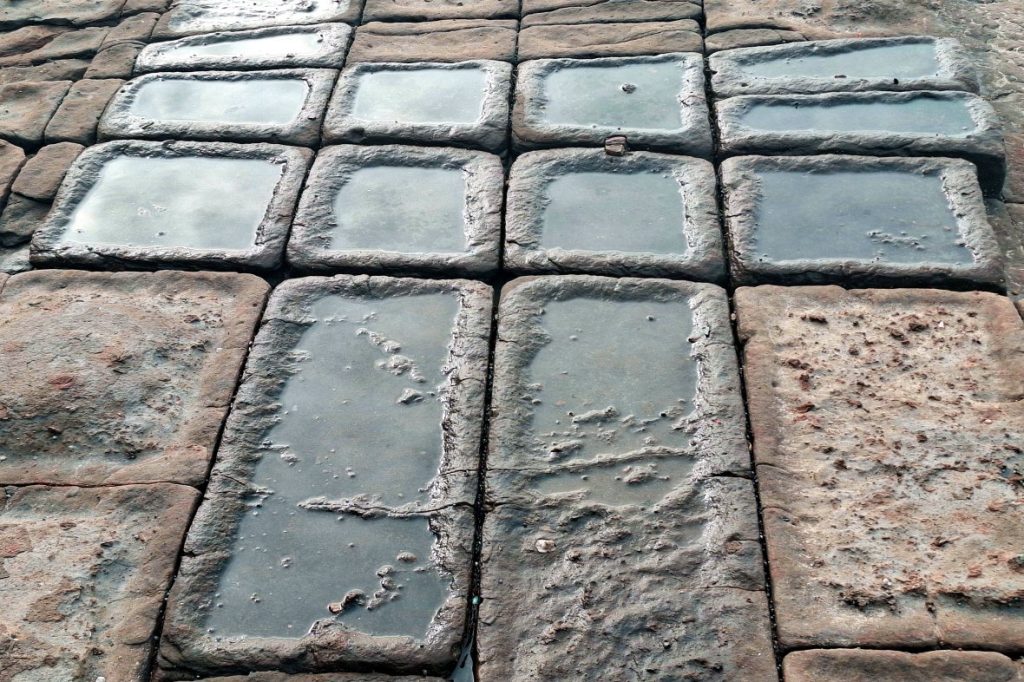
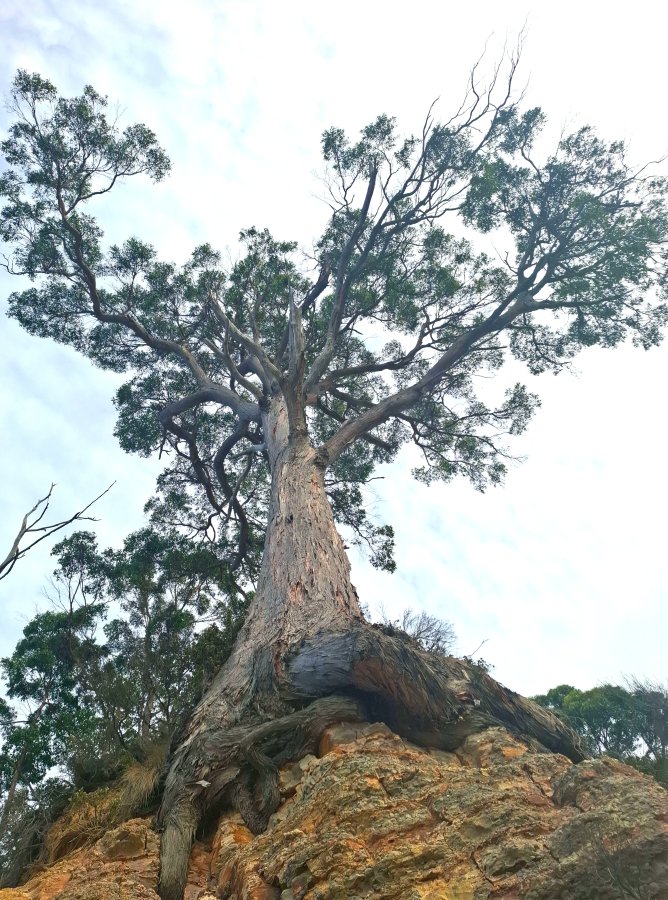
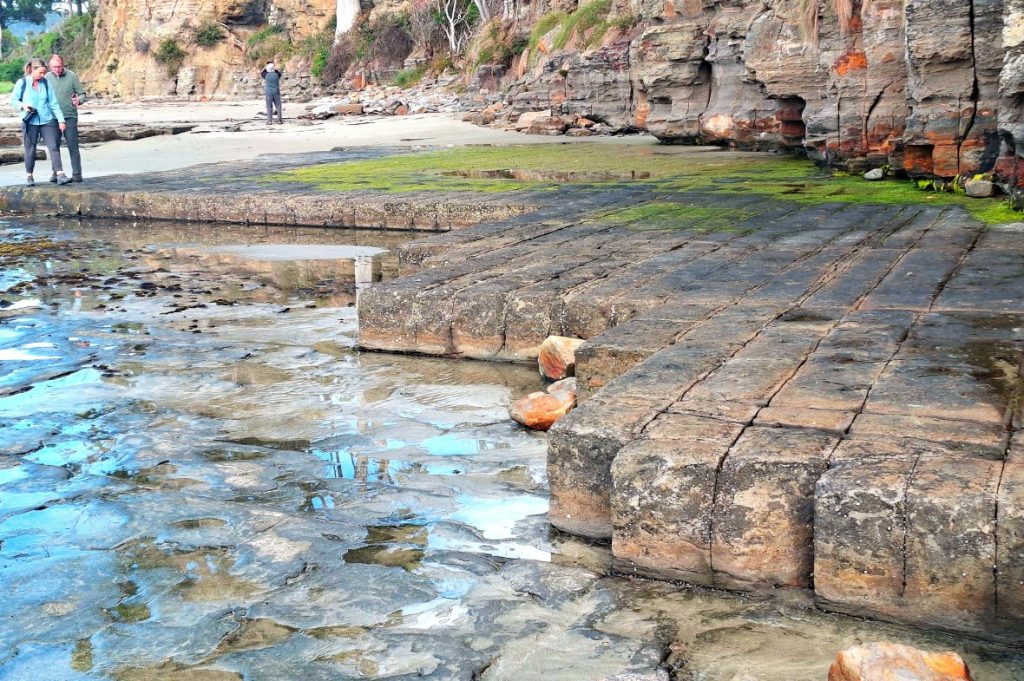
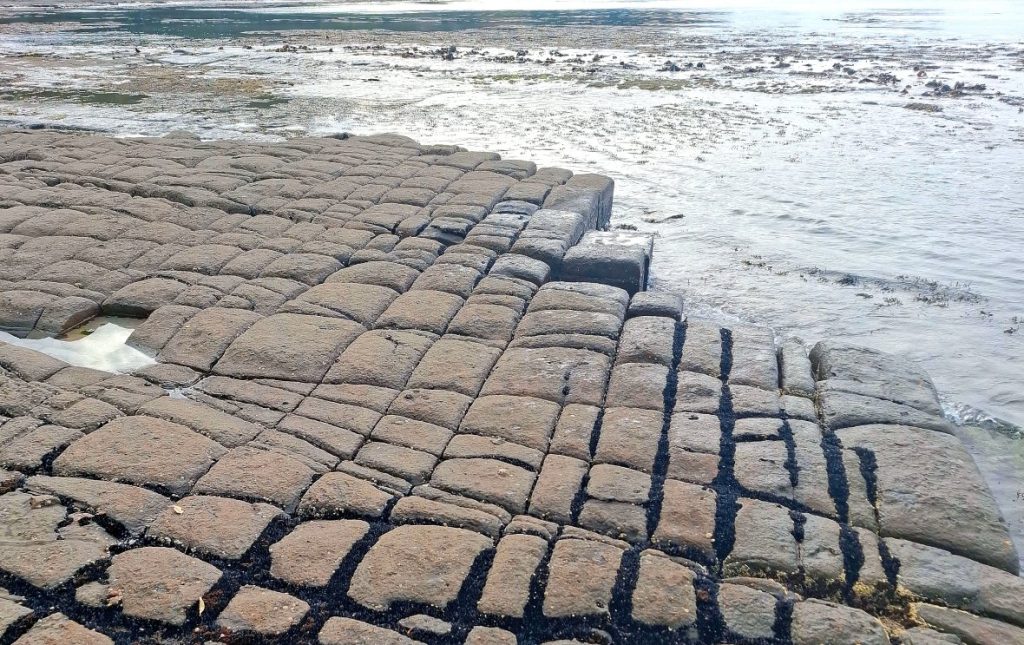
And as the add goes, “But wait, there’s more!” On the other side of Eaglehawk Neck is what’s known as Tessellated Pavement State Reserve. Tessellated Pavement is a rare geological formation, where natural erosion has created rock formations that resemble man-made tiles. Luckily we arrived at dead low tide and able to see and walk on this amazing site. An interesting sidelight was this enormous gum tree, clinging to dear life on the very edge of a small cliff. It looks like it could topple in the next stiff breeze, but a local I bumped said that it had been like that for the last thirty years.
Whew! That was a post and a half – literally. Something a little more digestible will be back on the menu next time.

Discover more from The Toorak Tractor and a Junko
Subscribe to get the latest posts sent to your email.